Behind the Glass: The Session Players Who Built Soul Music's Golden Age Brick by Brick
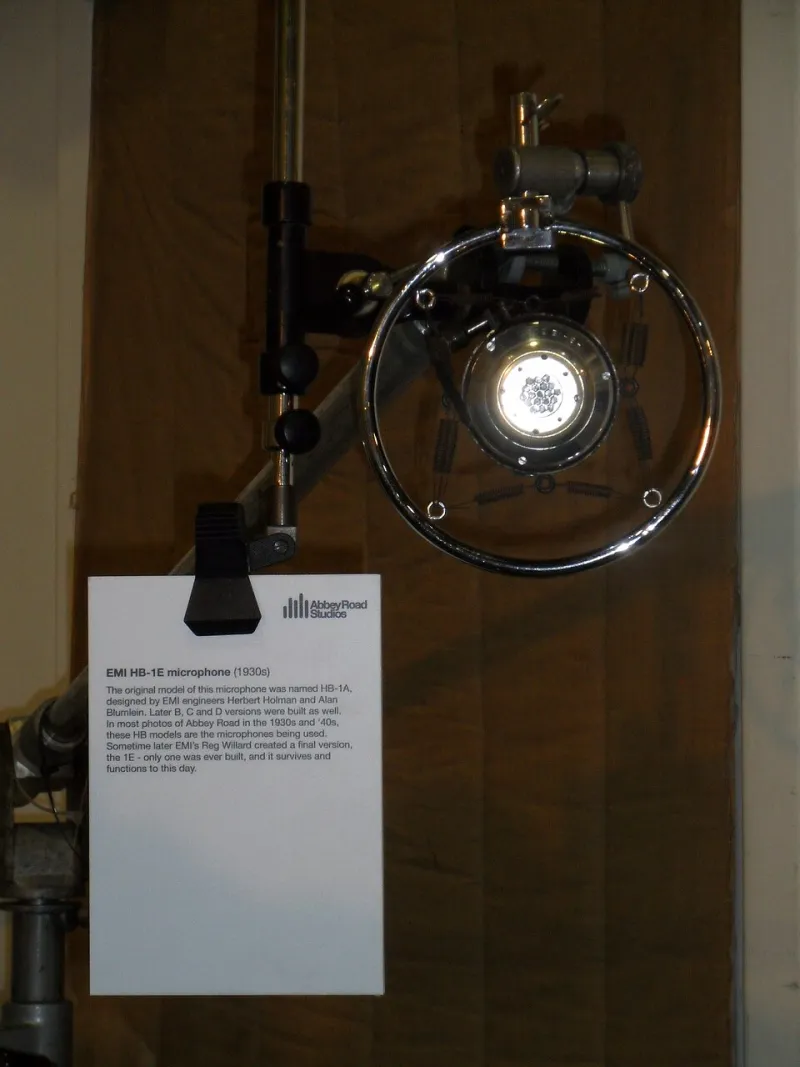
Photo: Josephenus P. Riley, CC BY 2.0, via Wikimedia Commons
You know the songs. You've hummed the bass lines in the shower, tapped the drum patterns on your steering wheel, felt that horn stab hit somewhere deep in your chest on a Tuesday afternoon when you needed it most. What you probably don't know is the name of the person who played it.
That's the deal session musicians made — and most of them made it willingly. Show up to the studio, read the chart or feel out the groove, lay it down in a handful of takes, collect your union scale, and move on to the next session across town. No tour bus. No album photo. No name on the label. Just the music, hanging in the air long after they'd packed up and gone.
But strip those players out of the equation, and the golden age of soul music doesn't exist. Not the way we know it, anyway.
The Rooms Where It Happened
Between roughly 1960 and 1978, a handful of American cities became ground zero for a recording culture unlike anything before or since. Detroit had Hitsville U.S.A. and the Funk Brothers. Memphis had Stax and the Mar-Keys, later the MGs. Muscle Shoals, Alabama — a small town that had no business being the center of anything — had the Swampers. Philadelphia had TSOP and the house band that gave Gamble and Huff their wings. Each city had its own sound, its own feel, its own unspoken musical vocabulary. And each sound was carried almost entirely by a tight-knit crew of session players who knew each other's instincts the way family members finish each other's sentences.
These weren't casual pick-up gigs. The best session musicians of the era were working constantly — sometimes three, four, five sessions a day. James Jamerson, the Funk Brothers bassist whose melodic fingerwork underpins what feels like half the Motown catalog, reportedly played on recordings that sold more than 50 million copies. He did it largely without public recognition until the 2002 documentary Standing in the Shadows of Motown finally put a face and a story to those legendary bass lines.
That film was a wake-up call. But it was also just the beginning of a longer conversation.
Playing It by Feel
What made these musicians so indispensable wasn't just technical ability — though that was off the charts. It was adaptability. A great session player could walk into a room, hear a rough demo or a few bars from a producer, and intuitively understand what the song needed. They weren't just executing; they were co-writing, in real time, without the credit.
Denise LaSalle, the Mississippi-born soul singer who spent significant time recording in Chicago and Memphis, once described the experience of working with session musicians as "like having somebody finish your dream for you." You came in with a feeling, and they turned it into sound.
The Muscle Shoals Rhythm Section — Barry Beckett, Roger Hawkins, David Hood, and Jimmy Johnson — became so sought-after that artists flew in from across the country specifically to record with them. Aretha Franklin cut "I Never Loved a Man (The Way I Love You)" there in 1967. Wilson Pickett. Percy Sledge. Paul Simon. Cher. The Swampers didn't care about genre. They cared about the groove, and they found it every single time.
Union Cards and Invisible Labor
For most of the golden age, session work was governed by the American Federation of Musicians, which set rates and regulated the industry. On one hand, that gave session players a degree of financial stability that touring musicians often lacked. On the other, it meant that once you cashed your check, the song was no longer yours in any legal or commercial sense.
The royalty question is one that still stings for surviving players and their families. When a song gets licensed for a commercial, streamed millions of times on a platform, or sampled on a hit record, the session musician who played the original hook typically sees nothing. The legal frameworks simply weren't built with them in mind.
Robert "Pops" Popwell, who played bass on recordings for artists ranging from the Crusaders to Aretha Franklin, spoke in later interviews about the complicated feelings that came with watching songs he'd helped create become cultural touchstones without any corresponding recognition. "You're proud," he said. "And then you're something else, too. I don't know if there's a word for it."
The Knowledge They Carried
Beyond the recordings themselves, session musicians were the connective tissue of an entire musical ecosystem. They passed techniques between studios, cities, and genres. A drummer who'd worked a Stax session on Friday might be in a Chicago soul room on Monday, carrying rhythmic ideas across state lines without even realizing it. The cross-pollination was constant, organic, and largely undocumented.
That's part of what makes preserving their stories so urgent. The players from the core golden age years are in their seventies, eighties, and beyond now. Some are gone. The knowledge they hold — about how a particular song came together, what a producer actually asked for versus what ended up on tape, how a groove developed across multiple takes — exists nowhere else.
Organizations like the Stax Museum of American Soul Music in Memphis and the Smithsonian's ongoing archival work have made real strides in capturing oral histories. But there's still a mountain of stories that haven't been told, sitting in the memories of people who spent decades being invisible by design.
The Groove Was Always Theirs
Here's the thing about invisibility: it was never really about the music. The music always gave them away. Listen closely to any great soul record from the era — really listen, past the vocalist, past the production sheen — and you'll hear personality. You'll hear choices. You'll hear someone deciding, in the moment, to bend a note a certain way, to leave a little space before the downbeat, to push the tempo just slightly in the bridge.
That's not anonymous work. That's artistry operating under a pseudonym.
The session musicians who built soul music's golden age didn't just play the notes on the chart. They shaped the emotional language of American popular music for generations. Every sample, every interpolation, every moment a young producer in a home studio today reaches for that vintage soul sound — they're reaching, whether they know it or not, for the work of people whose names they've probably never heard.
It's past time we learned them.