Ghost Grooves: The Funk Recordings That Vanished Before the World Could Hear Them
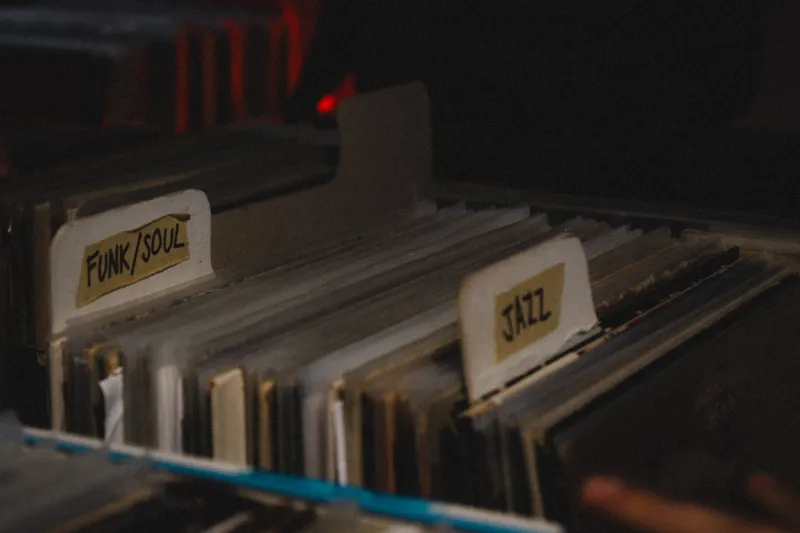
There's a particular kind of heartbreak that only crate diggers understand. You're flipping through a milk crate at some estate sale outside of Cincinnati, and your fingers land on a 45 with a hand-stamped label, a regional pressing from 1973, no catalog number, a crack in the sleeve. You drop the needle and what comes out of the speakers is so impossibly funky that you have to sit down. Then you spend the next six months trying to find a second copy and come up completely empty.
That feeling — equal parts discovery and grief — sits at the center of one of funk and soul's most quietly passionate subcultures: the hunt for recordings that were made, sometimes even pressed and distributed, but effectively swallowed by time.
The Shelf Life of a Groove
Not every session that went down in a studio in the late '60s and '70s was destined for release. Labels were churning out product at an almost industrial pace, and the economics were brutal. A regional soul label in Birmingham or St. Louis might press five hundred copies of a 45, ship them to local record stores, and pull them back from distribution if they didn't move within a few weeks. Those unsold copies often ended up in landfills, or worse, in the back of someone's garage where humidity and neglect did the rest of the work.
But some survived. And the stories those survivors carry are wild.
Producers who worked the independent label circuit during funk's golden era will tell you the same thing: there were always more sessions than releases. You'd book a band for a Thursday night, lay down four or five tracks, and maybe one of them fit the sound the label was chasing that month. The others just sat on tape reels, unlabeled, stacked in a closet. Nobody thought of it as preservation. It was just Tuesday.
Crate Diggers as Archivists
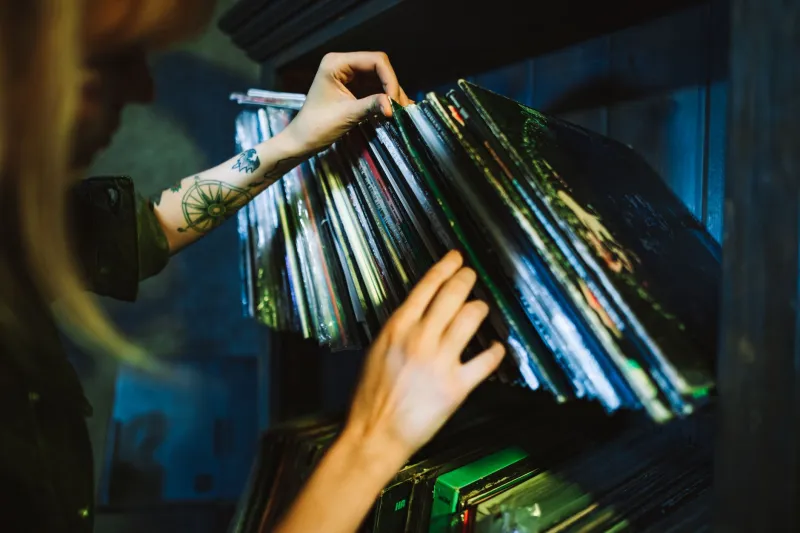
What's changed in the last decade or so is the way collectors have started functioning less like hobbyists and more like field archivists. Guys like Detroit-based digger Marcus Webb, who's been hunting regional funk pressings for nearly twenty years, describe their work in almost archaeological terms.
"You're not just looking for a record," Webb explains. "You're looking for a whole context. Who pressed it, where, why did it disappear, who played on it. Sometimes you find a 45 and there's literally no documentation anywhere that it ever existed. No trade magazine mention, no radio log, nothing. It's like the whole session just fell through a crack in history."
That documentation gap is part of what makes these lost recordings so significant beyond their musical value. They're primary sources for a chapter of American cultural history that wasn't always considered worth writing down. Regional funk scenes in places like the Carolinas, the Gulf Coast, and the Midwest were vibrant and distinct, but they operated outside the commercial infrastructure that generated press coverage and industry records. When the music disappeared, so did much of the evidence that those scenes existed at all.
The Digital Resurrection
Here's where the story gets genuinely exciting. Platforms like YouTube, Bandcamp, and a handful of dedicated soul and funk streaming channels have become unlikely resurrection sites for some of these recordings. A collector in Portland digitizes a beat-up 45 and uploads it. Someone in Atlanta recognizes the session bassist. A former studio engineer in Memphis sees the post and remembers the night it was recorded. Suddenly a ghost groove has a story again.
The online communities built around this kind of forensic listening — forums, Discord servers, YouTube comment sections that read like graduate seminars — have accelerated the recovery process in ways that would have seemed impossible twenty years ago. Information that used to live and die with individual collectors is now pooled and cross-referenced in real time.
Archivists working with university music libraries and cultural institutions have started paying attention too. The Southern Folklife Collection at UNC Chapel Hill and similar archives have been quietly acquiring private collections for years, but the digitization work is ongoing and underfunded. The good news is that independent collectors are increasingly partnering with these institutions rather than keeping discoveries locked in personal archives.
What the Lost Tracks Reveal
Beyond the treasure-hunt drama, the actual musical content of these recovered recordings is often revelatory. Producers working outside the commercial mainstream were frequently taking more risks. Without the pressure of radio formats or label expectations, a session might stretch into genuinely experimental territory — longer vamps, stranger chord substitutions, rhythm section arrangements that don't fit neatly into the funk canon as it's usually taught.
Some of the most interesting recoveries have been studio alternates and out-takes from artists who are already well-documented. Hearing a known track in an earlier, rawer form can completely reframe your understanding of how the final version came together and what creative decisions were being made in real time. It's the musical equivalent of finding an author's handwritten draft — the corrections and crossed-out lines tell you as much as the finished text.
Other finds are more straightforwardly surprising: regional artists who had one or two local hits and then vanished, whose surviving recordings suggest they were operating at a level that deserved far wider recognition. The funk and soul ecosystem of the '60s and '70s was enormous, and the commercial filter that decided what got national distribution was imperfect at best and racially compromised at worst. Some of what got left behind was genuinely extraordinary.
The Groove Doesn't Die, It Hides
There's something almost philosophical about the way these recordings keep surfacing. Funk, by its nature, is about persistence — the locked groove, the repeated figure, the beat that keeps coming back around no matter what. It's fitting that the music itself seems to have that quality, turning up in estate sales and attic boxes and digitized uploads decades after anyone thought it was gone.
For the collectors, archivists, and producers keeping this work alive, the motivation is partly historical and partly something harder to name. There's a real sense that these recordings belong to the communities that made them — that recovering them is a form of cultural restitution, a way of making a more complete record of what Black American music actually sounded like during one of its most fertile and turbulent periods.
Every ghost groove that makes it back into circulation is another data point in that larger picture. Another voice in a conversation that was almost lost. Another reason to keep flipping through the crates.