Press Play on These: The Funk and Soul Documentaries That Deserve a Spot on Your Watch List
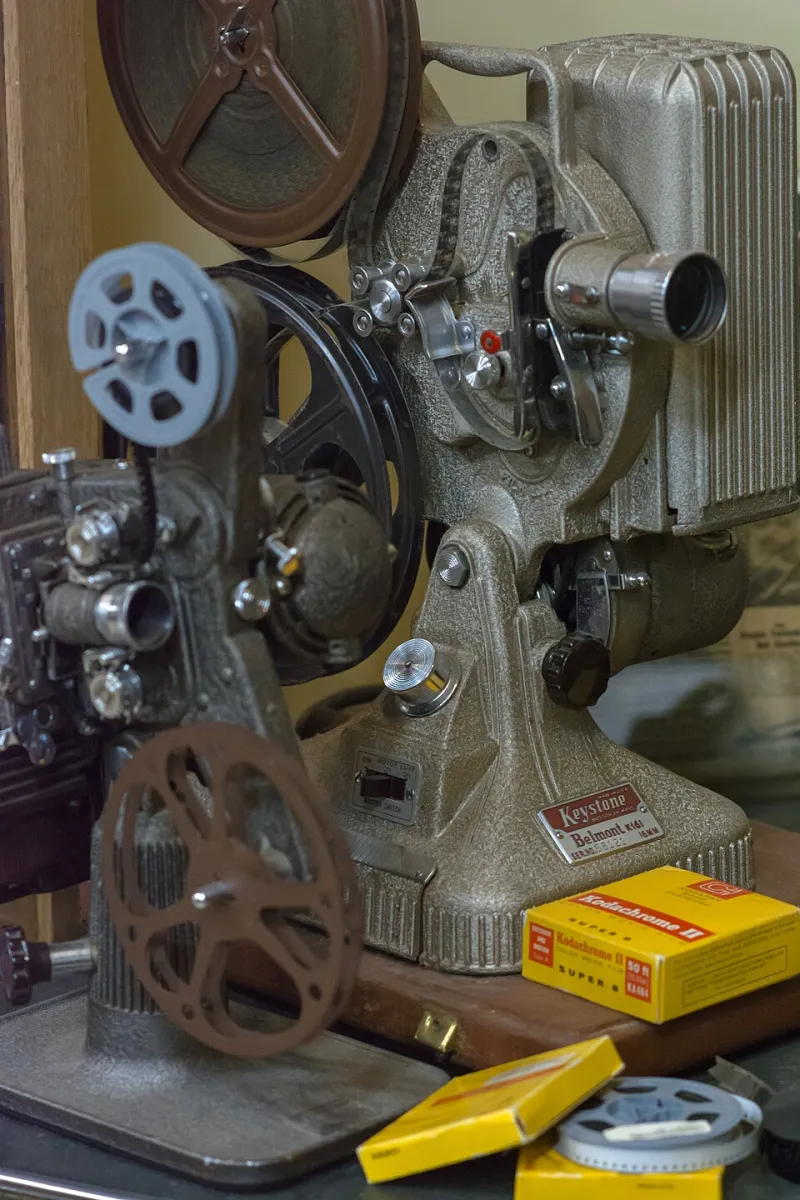
Photo: Ethan Long, CC BY-SA 2.0, via Wikimedia Commons
There's something about funk and soul that demands to be witnessed, not just heard. The way a horn section attacks a chord. The way a crowd responds to a bass drop. The way an artist's face looks in the middle of a performance when they've completely left the building. These are things that a streaming playlist can't fully convey — but a great documentary can.
Over the decades, filmmakers have pointed their cameras at the architects of groove culture and captured something genuinely irreplaceable. Some of these films are well known. Others have been criminally underseen. All of them belong on your screen.
The Last Waltz (1978) — The Gold Standard, Even If It's Not Strictly Funk
Okay, hear us out. Martin Scorsese's concert film about The Band's farewell show earns its spot here because of what it demonstrated about the form itself. The performances from Dr. John, Muddy Waters, and others show how deeply soul and R&B were woven into the fabric of what people called "rock" in the 1970s. More importantly, The Last Waltz set a visual and editorial benchmark that every music documentary since has had to reckon with. You can't talk about how filmmakers document groove culture without acknowledging the template.
Why it matters: It proved that a concert film could be cinema. Every director who's shot a funk or soul performance since owes something to this.
James Brown: The Godfather of Soul (Various Broadcast Versions) — The Blueprint
There have been multiple documentary treatments of James Brown's life and legacy, ranging from the authorized to the critical. The most useful viewing approach is to watch more than one, because no single film captures the full picture. Brown was a complicated man — a creative genius, a demanding bandleader, a cultural revolutionary, and a deeply flawed human being. The documentaries that try to flatten him into a hero or a villain both miss the point.
What the best of these films get right is the music. Footage of Brown performing live — especially from the 1960s and early 1970s — is some of the most electrifying material ever committed to film. Watch his feet. Watch his hands. Watch how the entire band responds to his cues in real time.
Why it matters: Understanding James Brown is understanding where hip-hop, funk, and contemporary R&B all come from. This is the root system.
Finding the Funk (2014) — The Hidden Gem
This one doesn't get nearly enough attention, and that's a shame. Director Nelson George — one of the sharpest music journalists America has produced — assembled a documentary that traces funk from its origins through its cultural impact with genuine depth and affection. Interviews with Questlove, Bootsy Collins, Sly Stone (a rare appearance), and others give the film a conversational intimacy that feels more like a great dinner party than a lecture.
What makes Finding the Funk essential is its willingness to ask uncomfortable questions. Why did funk fall out of mainstream favor? What does it mean that its DNA is everywhere in hip-hop but the genre itself is often treated as a museum piece? George doesn't offer easy answers, which is exactly why the film sticks with you.
Why it matters: It's the most thoughtful examination of funk as a living, evolving tradition rather than a nostalgia trip. Essential for anyone who wants to understand groove culture on a deeper level.
20 Feet from Stardom (2013) — The Sideman Story
This Oscar-winning documentary is technically about backup singers, but it's really about the invisible labor that made soul and R&B music what it is. Darlene Love, Merry Clayton, Lisa Fischer — these are voices you have heard thousands of times without knowing their names. The film corrects that oversight with grace and a little righteous anger.
For a FunkDoc audience specifically, 20 Feet from Stardom opens up a conversation about who gets credit in music, who gets remembered, and how the commercial music industry has always had a complicated relationship with the Black artists who built it.
Why it matters: It reframes the entire history of American popular music by centering the people who were literally in the room but left out of the story.
Summer of Soul (...Or, When the Revolution Could Not Be Televised) (2021) — The One That Broke Everything Open
Questlove's directorial debut is, without question, the most important music documentary of the last decade. The footage from the 1969 Harlem Cultural Festival had sat in a vault for fifty years — fifty years — before this film brought it to the world. What Questlove and his team assembled is nothing short of staggering.
Sly and the Family Stone. Stevie Wonder. Mahalia Jackson. Nina Simone. B.B. King. All performing for a crowd of 300,000 people in Marcus Garvey Park, in the same summer as Woodstock, with virtually none of the mainstream media coverage that the upstate New York festival received. The documentary doesn't just present the performances — it contextualizes them within the political and social upheaval of 1969, making the music feel urgent and alive in ways that are genuinely moving.
Why it matters: This is the most direct evidence we have of what groove culture meant to its community at a specific historical moment. It's a document of joy, resistance, and communal power that deserves to be seen by every American who cares about music.
Where to watch: Hulu
Wattstax (1973) — The Companion Piece
If Summer of Soul is the north, Wattstax is the south. Shot at the Los Angeles Memorial Coliseum in 1972, this concert film documents the Stax Records festival organized in response to the Watts Riots anniversary. Isaac Hayes, The Staple Singers, Rufus Thomas, Albert King — the lineup alone is worth the watch.
What gives Wattstax its lasting power is the way director Mel Stuart weaves interview footage of everyday Watts residents between the performances. The music and the community are presented as inseparable, which is exactly the right framing.
Why it matters: It captures a specific place, a specific community, and a specific moment in American history with an honesty that no scripted film could replicate.
Final Thought: The Documentary IS the Story
Funk and soul have always been about more than entertainment. They're about identity, community, and the particular kind of freedom you can only find inside a groove. The best documentaries about this music understand that. They don't just show you the performances — they show you why the performances matter, who they were made for, and what it cost to make them.
At FunkDoc, we believe the story behind the music is just as essential as the music itself. These films are proof of that. Pull up a couch, turn the volume up, and let the groove find you.